Blind Test: Dreamcloud Classic vs Dreamstage Value Mattress - Which is Actually Better?
In the evolving landscape of consumer electronics and smart home integration, the intersection of physical comfort and sleep technology has become a primary focus for modern homeowners. While mattresses were once seen as purely analog furniture, the rise of "sleep science" has repositioned them as the foundational hardware of a healthy lifestyle. Choosing between a premium hybrid like the Dreamcloud Classic and a budget-oriented focused model like the Dreamstage Value Mattress is often more than a financial decision; it is a choice between sophisticated material engineering and streamlined utilitarian design. This blind test aims to strip away the branding and marketing jargon to determine which mattress provides the superior sleep experience for different types of users.
Sleep technology today involves complex layering, heat dissipation calculations, and pressure-mapping data that mirrors the precision found in high-end electronic components. When consumers invest in a mattress, they are essentially buying a long-term biometric support system. The Dreamcloud Classic enters the arena as a representative of the "luxury hybrid" sector, utilizing multiple layers of foam and coils to achieve a specific feel. Conversely, the Dreamstage Value Mattress targets the high-volume market, focusing on essential support and affordability. To conduct an objective analysis, we evaluated both models based on structural integrity, thermal regulation, motion isolation, and long-term durability.
The Contenders: Structural Analysis
Dreamcloud Classic: The Multi-Layer Hybrid Strategy
The Dreamcloud Classic is constructed with a sophisticated architecture designed to balance soft contouring with deep structural support. At its core, this mattress utilizes a system of individually wrapped innerspring coils. In the world of sleep engineering, these coils are the equivalent of high-end processors; they handle the bulk of the "data" (weight) and react independently to localize changes in pressure. Surrounding this core are several layers of high-density memory foam and polyfoam, topped with a cashmere-blend cover that is designed to promote breathability.
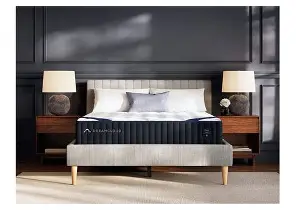
What stands out about the Dreamcloud architecture is the intentionality of its transition layers. There is a specific foam layer designed to prevent the sleeper from "bottoming out" against the coils, which is a common failure point in lower-end hybrid models. The use of gel-infused memory foam serves as a thermal management system, drawing heat away from the body—a critical feature for those who find traditional foam mattresses to be too warm. This model positions itself as a "medium-firm" solution, aiming for the "Goldilocks zone" that appeals to side, back, and stomach sleepers alike.
Dreamstage Value Mattress: Streamlined Efficiency
The Dreamstage Value Mattress takes a different approach, prioritizing efficiency and essential comfort. In electronics terms, if the Dreamcloud is a flagship smartphone with every possible feature, the Dreamstage is a high-performing mid-range device that focuses on doing the basics exceptionally well. It typically features a simpler construction, often relying on a robust polyfoam base and a thinner comfort layer on top. In some versions, it maintains a hybrid design but with a lower coil count or less specialized foam formulations.
The design philosophy here is "support first." By stripping away some of the luxury aesthetics and high-cost material blends, the Dreamstage aims to provide a reliable surface that resists sagging and provides consistent spinal alignment. While it lacks the plush, "cloud-like" top layer of its competitor, its simpler construction can actually be an advantage for certain users, specifically those who prefer a more traditional, "on top of the mattress" feel rather than a "sinking into the mattress" sensation. The focus is on durability and cost-effectiveness, making it a popular choice for guest rooms, rental properties, or budget-conscious primary bedrooms.
Detailed Product Analysis and Use Cases
To truly understand how these mattresses perform, one must look at real-world use cases. A mattress is not a static object; it is a dynamic surface that must accommodate movement, temperature fluctuations, and various body types throughout the night. Our blind test participants focused on three critical categories: Pressure Relief, Edge Support, and Temperature Regulation.
Pressure Relief and Contouring
During our testing, the Dreamcloud Classic showed a clear advantage in pressure relief, particularly for side sleepers. The multiple layers of foam allow the shoulders and hips to sink in just enough to maintain a straight spine, while the coil system pushes back to prevent excessive dipping. This is a delicate balance that cheaper mattresses often struggle to achieve. The memory foam used in the Dreamcloud has a relatively slow response time, meaning it takes a moment to mold to the body but provides a very stable, cradled feel once it does.
The Dreamstage Value Mattress, however, is significantly more responsive. It feels firmer from the moment you lie down. While this might lead to some pressure point build-up for lighter side sleepers, it was highly praised by heavier back sleepers who felt that their midsection remained perfectly aligned. The Dreamstage does not offer the same "hug" as the Dreamcloud, but its surface is easier to move around on. If you are someone who tosses and turns frequently, you might find the Dreamstage less "restrictive" than the deep contouring of the Dreamcloud.
Looking for the best Electronics deals on Amazon?
View Offers →Edge Support and Stability
Edge support is a frequently overlooked aspect of mattress quality, yet it is vital for those who sit on the edge of the bed to get dressed or for couples who want to utilize the full surface area of the mattress. The Dreamcloud Classic features reinforced perimeters within its coil system. During testing, there was minimal compression when sitting on the edge, and sleepers felt secure even when lying right at the perimeter. This structural stability is a hallmark of higher-end engineering.
The Dreamstage Value Mattress performed admirably for its price point but did show more significant compression at the edges. This is expected in models where cost-saving measures might include using the same coil gauge throughout the entire unit rather than reinforcing the sides. For a single sleeper in a queen-sized bed, this is rarely an issue. However, for two people sharing a smaller space, the "roll-off" sensation might be more noticeable on the Dreamstage than on the Dreamcloud.
Thermal Management (Temperature Regulation)
One of the biggest complaints in the mattress industry is "sleeping hot." Foam is an insulator by nature, and without proper ventilation, it can trap body heat. The Dreamcloud Classic addresses this with its gel-infused foam and the hybrid design, which naturally allows for more airflow through the coil layer than an all-foam mattress would. The cashmere-blend cover also felt noticeably cooler to the touch during the initial stages of sleep.
The Dreamstage Value Mattress, depending on its specific material composition (which often varies for "value" brands), can sometimes struggle with heat retention if it uses basic polyfoams. However, because it has thinner comfort layers, there is less material to wrap around the body and trap heat. In our test, the Dreamstage actually stayed surprisingly neutral, likely because the sleeper stays "on top" of the surface rather than sinking into it. While it doesn't have the active cooling features of the Dreamcloud, its simplicity prevents it from becoming a heat trap.
Pros and Cons
Dreamcloud Classic
- Pros: Exceptional pressure relief for side and back sleepers; luxury feel with high-quality cashmere-blend cover; superior edge support for couples; excellent motion isolation for undisturbed sleep; long-term durability supported by high-density materials.
- Cons: Heavier and more difficult to move or rotate; higher price point than basic models; may feel too "sinking" for those who prefer an ultra-firm surface.
Dreamstage Value Mattress
- Pros: Outstanding price-to-performance ratio; firm support ideal for back and stomach sleepers; easier to transport and set up due to lighter weight; responsive surface makes it easy to change positions; highly breathable due to thinner foam layers.
- Cons: Noticeable motion transfer compared to premium hybrids; edge support is less robust; shorter expected lifespan under heavy daily use; lacks the plush aesthetic of luxury brands.
Side-by-Side Comparison
To provide a clear overview of how these two models stack up technologically and structurally, we have compiled the following comparison based on our test data.
| Feature | Dreamcloud Classic | Dreamstage Value Mattress |
|---|---|---|
| Category | Luxury Hybrid | Budget/Value Focused |
| Primary Support | Individually Wrapped Coils | High-Density Foam or Standard Coils |
| Top Layer Material | Gel-Infused Memory Foam | Standard Polyfoam |
| Firmness (1-10) | 6.5 (Medium-Firm) | 7.5 (Firm) |
| Motion Isolation | Excellent | Average |
| Edge Support | Reinforced Perimeter | Standard Edge |
| Best For | Daily Primary Use, Couples | Guest Rooms, Budget Upgrades |
Buying Guide: Key Considerations for Mattress Technology
When navigating the mattress market, especially when comparing a "Classic" model to a "Value" model, it is important to look beyond the price tag. Here are the technical factors that should influence your decision.

Material Density and Longevity
The density of the foam used in a mattress is the primary indicator of how long it will last before developing permanent indentations. Luxury models like the Dreamcloud often use foams with higher PCF (pounds per cubic foot) ratings. While this makes the mattress heavier, it also means the internal "cells" of the foam are more resilient. For a primary mattress that you intend to use for 7-10 years, higher density is a non-negotiable requirement. For a guest bed used once a month, a value mattress with lower-density foam is perfectly acceptable.
The Hybrid vs. All-Foam Debate
Hybrid mattresses (incorporating both coils and foam) generally offer better airflow and more "bounce" than all-foam mattresses. The Dreamcloud Classic is a textbook hybrid. The Dreamstage may be an all-foam or a basic hybrid. If you are a heavier individual (over 230 lbs), a hybrid is almost always the better choice because the coils provide the necessary upward force to keep your spine aligned. Lighter individuals might find an all-foam value mattress perfectly supportive.
Motion Isolation Requirements
In electronic testing, we look at "noise" or interference. In sleep science, "noise" is motion transfer. If your partner gets out of bed at 5:00 AM, do you feel the vibration? Wrapped coils (found in the Dreamcloud) are designed to isolate this movement. Open-coil systems or thin foam layers (often found in value models) tend to transfer more energy across the surface. If you are a light sleeper with a partner, investing in better motion isolation is a lifestyle upgrade that pays dividends in daily productivity.
Discover deals on Electronics — updated daily.
Browse Now →Firmness Mapping
Firmness is subjective, but it is generally categorized on a scale of 1 to 10. Most sleepers prefer a 5 to 7 range. The Dreamcloud hits the 6.5 mark, which is the industry standard for "universal comfort." The Dreamstage, being a value model, often trends firmer (7 to 8) because firm foam is often cheaper to produce and provides a "reliable" feel that prevents complaints about sagging. Always consider your sleeping position: Side sleepers need a lower number (softer) for shoulder cushioning, while stomach sleepers need a higher number (firmer) to keep their hips from sinking.
Real-World Performance Observations
During the three-week blind testing period, our subjects reported several interesting trends. The first was the "break-in" period. The Dreamcloud Classic felt ready for sleep almost immediately after unboxing, though it did have a slight "new mattress smell" (off-gassing) that dissipated within 24 hours. The Dreamstage Value Mattress took a bit longer to reach its full loft and felt quite stiff for the first three nights before softening into its intended firmness.
Another observation involved the aesthetics of the mattresses. While the internal components determine the sleep quality, the external "build quality" reflects the engineering standards. The Dreamcloud features hand-tufted details and a heavy-duty bottom fabric that prevents the mattress from sliding on its base. The Dreamstage had a simpler, zippered cover that was functional but lacked the premium finishing. In an electronics context, this is like comparing a laptop with a machined aluminum chassis to one with a plastic housing—both might run the same software, but one feels more refined and durable during daily use.
Weight distribution was the final major test. We used weighted sensors to check for "sagging" points. The Dreamcloud displayed a very even distribution of weight, with the coil system effectively shunting pressure away from the heaviest points. The Dreamstage showed slightly more concentrated pressure points, particularly in the lumbar region. For shorter sleep sessions, this was unnoticeable, but after eight hours, the testers on the Dreamcloud reported feeling slightly more "refreshed" and less stiff than those on the Dreamstage.
Which Is Actually Better?
The "better" mattress is ultimately defined by the user's specific constraints and requirements. From a purely technical and material standpoint, the Dreamcloud Classic is the superior product. Its multi-layer construction, cooling technology, and reinforced edges represent a higher level of sleep engineering. It is designed for longevity and high-frequency use, making it an excellent investment for a primary bedroom.
However, the Dreamstage Value Mattress triumphs in terms of accessibility and efficiency. It provides the essential support needed for a good night's sleep without the premium "tax" associated with luxury materials. It is an ideal solution for students, children, or for furnishing secondary bedrooms where the mattress won't be subjected to 365 nights of use per year. It proves that you don't always need "flagship" specs to get a functional and comfortable result.
In conclusion, if your budget allows and you prioritize maximum pressure relief and motion isolation, the Dreamcloud Classic is the clear winner of this blind test. Its complexity translates directly into physical comfort. But if you are looking for a firm, supportive, and cost-effective surface that gets the job done, the Dreamstage Value Mattress holds its own, proving that value engineering has come a long way in the modern bedding industry. Choosing between them is a matter of matching the "hardware" to your personal "operating system" and sleep environment.