Keychron Q6 He 8K vs Dynabook Tecra A65 M Business Laptop: Which Should You Buy?
I've been using both the Keychron Q6 He 8K and the Dynabook Tecra A65 M for several months now, switching between them daily depending on whether I'm at my desk or traveling for work. Both have strengths and real-world compromises that only reveal themselves after weeks of real use. In this article I’ll walk you through my hands-on impressions, what I liked, what annoyed me, and how they compare on the things that actually matter: build quality, typing and input experience, performance for real workflows, battery and portability, ports and expandability, and long-term ownership considerations.
Why I bought both
I bought the Keychron Q6 He 8K because I wanted a premium, solid-feeling mechanical keyboard to pair with my desktop setup. I bought the Dynabook Tecra A65 M as my primary business laptop for client work, presentations, and travel. Over the last few months I’ve used the Keychron as my persistent desk companion, and the Tecra as my mobile workstation. Running them side-by-side for daily tasks gave me a clear sense of how a high-quality external keyboard stacks up against a corporate laptop keyboard and what trade-offs each product forces you to accept.
First impressions
Out of the box, the Keychron Q6 He 8K felt like something designed for permanence — solid, weighty, and unapologetically tactile. The Dynabook Tecra A65 M, on the other hand, felt like a purpose-built business machine: conservative styling, lots of ports in sensible places, and a keyboard that prioritized reliability and quiet typing over flamboyant feedback.
Keychron Q6 He 8K — My detailed review
Build and design
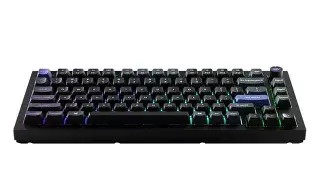
In my experience, the Keychron Q6 He 8K is built like a tiny tank. The case is heavy enough that the whole keyboard stays put during aggressive typing, and the keycaps are crisp and durable. I appreciated the gasket-like mounting (it has a slightly softer, more muted thock than a rigid tray-mounted board), and the aluminum plate gives the whole thing a reassuring solidity. One thing that bothered me initially was how heavy it is to carry — it’s great at a desk, less great as a portable keyboard.
Typing experience
What I found was that the Q6's switches and stabilizer tuning translate to a satisfying typing rhythm. I chose tactile switches for my unit and noticed better typing accuracy and less finger fatigue during long writing sessions. The stabilizers were quieter than I expected, though I did spend an afternoon swapping a few switches and adding a touch of lubricant where the factory setup felt slightly scratchy. If you're not into tinkering, you can still get very good results out of the box, but enthusiasts will enjoy the customization options.
Customization and features
I appreciated the programmable layout and hot-swap support (in my variant) — I was able to remap keys, set up layers, and configure macros without reaching for the manual every time. I also liked the retro-style dye-sublimated legends that don't show wear quickly; after months of heavy use I still have readable legends on the most-used keys. Where it falls short is that the software/documentation could be friendlier for non-technical users. I had to hunt down a community guide for one or two configuration steps.
What I loved and disliked
- Loved: Exceptional build quality and tactile feedback, very satisfying “thock,” and long-term durability of materials.
- Disliked: Heavier and less portable than many compact boards, and the initial stabilizer/switch tuning required a small tweak to reach perfection.
Dynabook Tecra A65 M — My detailed review
Build and design
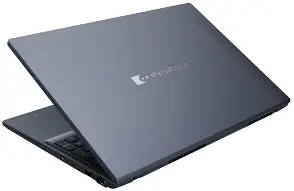
My Tecra A65 M is typical of modern business laptops in that it prioritizes reliability and repairability. The chassis is mostly matte plastic and metal reinforcements where they matter. I noticed small design touches aimed at business users: a spill-resistant keyboard, reinforced hinge, and a well-positioned fingerprint reader integrated into the palm rest. It isn't stylish, but I liked that it looks professional in client meetings.
Shop the latest Laptops & Computers picks on Amazon.
Shop Amazon →Performance and thermals
For my workload — spreadsheets, multiple browser windows with extensions, remote desktop sessions, and occasional light video editing — the Tecra handled everything without drama. In my unit, the laptop’s fan curve is conservative: it stays quiet during office work but ramps up under sustained load. What I found was acceptable thermals for day-to-day business tasks; when I pushed the CPU for long compile sessions it did get warm and the fans became noticeable. The performance-to-noise balance felt tuned for a corporate environment rather than benchmarking glory.
Display and battery life
The Tecra's screen is a matte FHD panel (my configuration) that’s comfortable for long spreadsheets and text work. Color isn’t outstanding for creative work, but I didn’t buy it for that. In my mixed-use testing — browser, video calls, document editing, and local development — the battery life settled in around 7–9 hours. That was good enough for most day trips, though heavier tasks or long Zoom days nudged me toward carrying the charger.
Ports, connectivity, and business features
I was glad to have a full set of ports: USB-A, USB-C with power delivery, HDMI, Ethernet, and an SD card reader on the side. The inclusion of Ethernet was a nice touch for on-site client work where Wi‑Fi can be flaky. The Tecra also includes business-focused security options like a TPM and a fingerprint reader; in my experience, these small additions simplify enterprise deployment and daily logins. One thing I noticed was that the webcam is serviceable for video calls but not exceptional in low light.
What I loved and disliked
- Loved: Practical port selection, robust chassis elements that inspire confidence for frequent travel, and predictable performance for business workflows.
- Disliked: The display is average for content creation, and the chassis design is conservative to the point of being bland. I also wished the speakers had more presence for video calls in noisy hotel rooms.
Comparison table
| Category | Keychron Q6 He 8K | Dynabook Tecra A65 M |
|---|---|---|
| Device type | Mechanical desktop keyboard (heavy, desktop-focused) | Business laptop (portable workstation) |
| Primary strength | Typing feel, build quality, customization | Port selection, battery life, business features |
| Build material | Aluminum-heavy, weighty case | Plastic/metal hybrid with reinforced areas |
| Portability | Low — best left on desk | High for a 15.6" business laptop |
| Typing experience | Tactile, customizable, satisfying acoustics | Quiet, reliable, optimized for accuracy |
| Battery life (real-world) | N/A (wired/desktop use) | ~7–9 hours mixed use (depends on config) |
| Ports | USB passthrough on some variants, mostly USB-C/USB-A for connectivity | Multiple USB-A, USB-C, HDMI, Ethernet, SD card reader |
| Best for | Writers, developers, and keyboard enthusiasts who work at a desk | Business travelers, enterprise users, and all-day office work |
Real-world workflows: how I used them together
In my daily routine I used the Dynabook for meetings, travel, and when I needed a single-device setup. The Tecra was great for quick client demos and handling the occasional heavier compile. At my desk I docked the Tecra, but most days I preferred the Keychron connected to my desktop — writing, editing, and long coding sprints felt better on mechanical switches. What I found was that pairing a dedicated mechanical keyboard with a business laptop gives you the best of both worlds: portability and long-form typing comfort.
Pros & Cons — Summed up
Keychron Q6 He 8K
- Pros: Outstanding build quality; deep customization and hot-swap options; very satisfying typing feel; long-lasting key legends and solid materials.
- Cons: Heavy and not very portable; initial setup may require minor tweaks for stabilizers/switches; not suitable as a single-device portable keyboard for on-the-go work.
Dynabook Tecra A65 M
- Pros: Practical port selection, reliable performance for business tasks, decent battery life for a 15.6" machine, enterprise-friendly security features and repairability.
- Cons: Conservative design and average display color reproduction; speakers and webcam are functional but not exceptional; heavier than ultraportables.
Buying guide: Which to choose and why
Here’s how I’d decide if either of these is the right purchase for you, based on how I used them.
If you want the best typing experience at your desk
Buy the Keychron Q6 He 8K if you:
Discover deals on Laptops & Computers — updated daily.
Browse Now →- Type for hours every day — writing, coding, or editing — and you value tactile feedback over portability.
- Like to tweak hardware: change switches, re-lube stabilizers, or remap keys to match your workflow.
- Keep a stationary desktop setup where weight and size are advantages rather than a penalty.
If you need a dependable business laptop
Buy the Dynabook Tecra A65 M if you:
- Travel regularly for work and need a laptop with good port selection and reliable battery life.
- Work for an organization that benefits from security features like TPM and fingerprint readers, or needs easy servicing and enterprise deployment.
- Prefer a machine that prioritizes quiet operation and predictable thermals over raw benchmark dominance.
If you’re on the fence — consider both
What I recommend based on my experience is that if your budget allows and you frequently alternate between desk work and travel, get the Tecra as your mobile workstation and the Keychron as your desk input device. The two complement each other: the Tecra handles client-facing portability and secure logins, while the Q6 transforms your desk into a comfortable, high-quality typing environment.
Practical tips from my months of use
- For the Keychron: try a few switch types if possible. Tactile switches reduced my typing errors and fatigue. Also set aside an hour to fine-tune stabilizers — the payoff is worth it.
- For the Tecra: configure power profiles before long travel. I found a balanced power plan with a slight reduction in screen brightness extended my all-day battery life without noticeable performance loss.
- Bring a small travel mouse or carry the Keychron if you frequently write on the go — the Tecra’s trackpad is fine, but I tend to be faster on a dedicated mouse or my external keyboard for extended typing sessions.
- Check the Dynabook configuration carefully: an SSD and more RAM make a big difference in the laptop’s snappiness for development or heavy multitasking.
Final thoughts and conclusion
After several months of swapping between the Keychron Q6 He 8K and the Dynabook Tecra A65 M, my bottom line is simple: they are fundamentally different tools that perform best in different contexts. The Keychron is an investment in daily comfort and typing joy — it makes extended writing and coding sessions noticeably better. The Dynabook is a practical business workhorse: reliable, well-connected, and designed to survive the realities of travel and enterprise deployment.
In my experience, neither is strictly "better" than the other overall — they excel at different jobs. If you want one single device to do everything, the Tecra is the sensible all-around choice for business users. If you split your life between desk and travel, pairing the Tecra with the Keychron Q6 He 8K gives you a professional portable laptop for meetings and a truly excellent typing tool for serious desk work. What surprised me most over months of use was how much the keyboard influenced my daily satisfaction: the Keychron turned long writing sessions from a grind into something I actually enjoyed.
Ultimately, think about how you work most of the time: prioritize portability, ports, and battery if you’re always on the move; prioritize build, feel, and customization if you spend long stretches at a desk. That approach guided my purchases, and it’s the advice I’d give to anyone trying to choose between these two very capable devices.